
A pool pump is the heart of your swimming pool’s circulation system. It keeps water moving through the filter, helps distribute chemicals, and ensures the water stays clean and safe for swimming. However, like any mechanical equipment, pool pumps do not last forever. Knowing when to replace a pool pump can save homeowners from costly repairs, rising energy bills, and frustrating water quality problems.
Many homeowners try to squeeze every possible year out of their pool equipment, which is understandable. But an aging or failing pump can quietly cause a chain reaction of problems. Poor circulation can lead to cloudy water, algae growth, and increased chemical use. At the same time, outdated pumps can consume significantly more electricity than modern energy-efficient models.
If you have noticed strange noises, weak circulation, or rising utility costs, your pump may be sending signals that it is time for an upgrade. Understanding the warning signs will help you determine whether a repair is sufficient or if a full replacement is the smarter long-term decision.
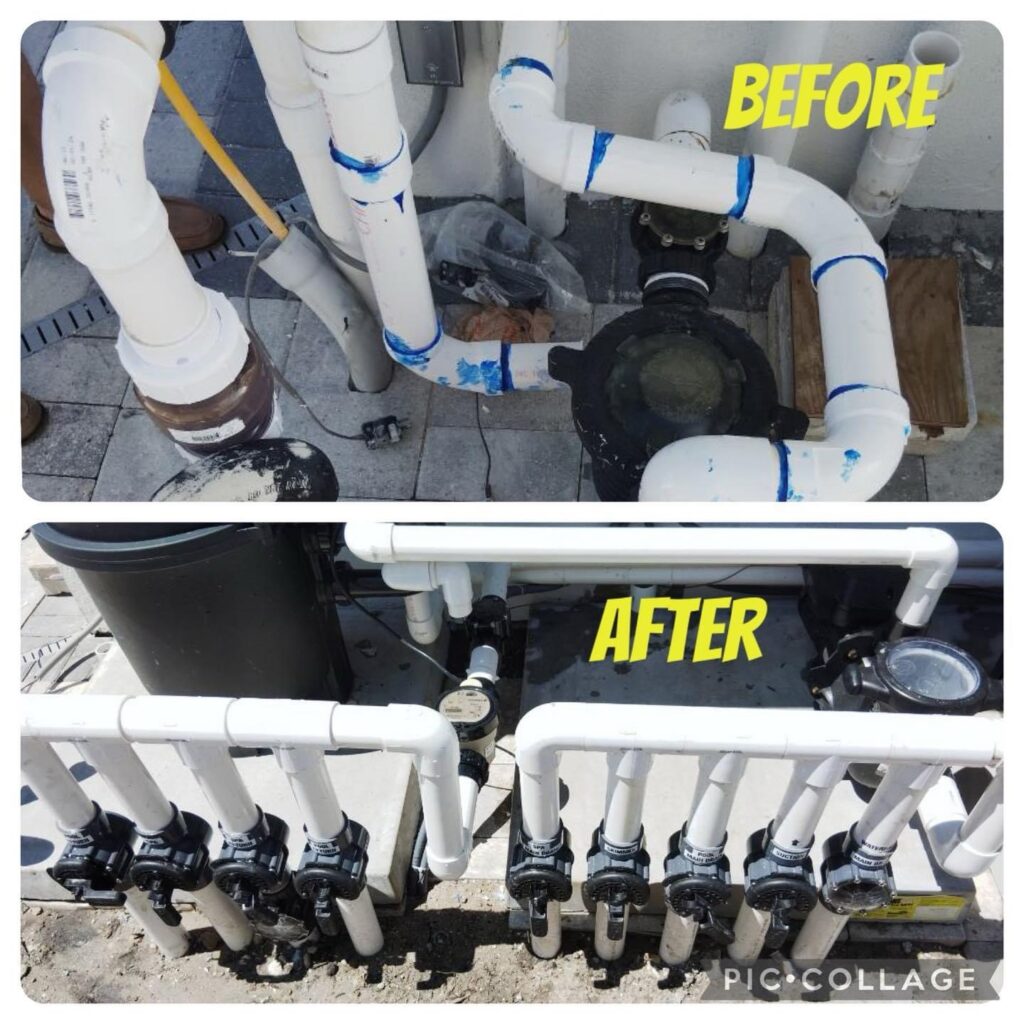
What Are the Signs You Should Replace a Pool Pump?
Most pool pumps last about 8 to 12 years with proper maintenance. However, heavy use, weather exposure, and lack of servicing can shorten that lifespan. If your pump is getting older or showing signs of trouble, it may be approaching the end of its service life.
Some warning signs are obvious, while others develop gradually over time. Homeowners often ignore small symptoms until the pump completely fails. Recognizing the early indicators allows you to plan a replacement before your pool circulation system stops working entirely.
Common signs that it may be time to replace your pump include:
- Unusual grinding, screeching, or humming noises
- Frequent breakdowns and costly repairs
- Weak water circulation or poor filtration
- Rising electricity bills
- Visible leaks or cracks in the pump housing
- Difficulty maintaining clear and balanced pool water
If multiple issues appear at the same time, the cost of repeated repairs can quickly exceed the price of installing a new pump. In many cases, replacing an aging pump with a modern energy-efficient model improves performance and reduces operating costs.
Loud Noises or Frequent Breakdowns
One of the most common signs of a failing pool pump is a loud or unusual noise. A properly functioning pump should produce a steady, relatively quiet hum while it runs. When internal components begin to wear out, the pump can become noticeably louder.
Several mechanical issues may cause these sounds:
- Worn bearings that create grinding or screeching noises
- Loose internal components that rattle during operation
- Debris caught in the impeller
- Motor damage or electrical failure
If the pump suddenly becomes louder than normal, it should be inspected promptly. While some minor problems can be repaired, persistent noise often indicates deeper motor issues.
Frequent breakdowns are another major warning sign. If you find yourself repeatedly calling for repairs, the pump may be reaching the end of its life. Replacing worn components such as seals, bearings, or motors can become expensive over time.
Consider replacement when:
- Repairs happen multiple times within a year
- Replacement parts are difficult to find
- The motor continues failing despite maintenance
A new pump provides reliability and helps prevent unexpected pool shutdowns during the peak swimming season.
Rising Energy Bills and Low Circulation
Another major indicator that homeowners should consider when to replace a pool pump is a noticeable increase in electricity usage. Pool pumps run for several hours every day, which means inefficient equipment can significantly impact your monthly energy bill.
Older pumps, particularly single-speed models, tend to operate at full power regardless of the pool’s needs. As components wear down, motors often become less efficient and require more electricity to maintain the same level of performance.
Signs of an inefficient pump include:
- Increasing energy bills without increased usage
- Longer run times needed to maintain water clarity
- Weak water return pressure from pool jets
- Uneven circulation throughout the pool
Poor circulation can create additional problems for your pool’s health. Without proper water movement, debris and algae can accumulate, forcing homeowners to use more chemicals and spend more time cleaning.
A new energy-efficient pump can improve circulation while using significantly less electricity. Many homeowners notice the difference in both water clarity and utility costs shortly after upgrading.
How Aging or Damaged Pumps Affect Water Flow and Energy Use
Aging pool pumps often struggle to maintain a consistent water flow. As internal parts wear down, the pump motor must work harder to push water through the filtration system. This strain reduces efficiency and increases the risk of sudden failure.
Reduced water flow can affect several areas of your pool system:
- Filters become less effective because water is not circulating properly
- Skimmers collect less debris from the surface
- Chemicals do not distribute evenly throughout the pool
- Algae and bacteria have more opportunity to grow
These issues can cause homeowners to believe their filtration system or chemical balance is the problem, when in reality, the pump is the underlying cause.
Another major concern with older pumps is energy consumption. Many pools still operate with outdated single-speed pumps that run at maximum power all the time. This design wastes electricity and puts unnecessary strain on the equipment.
Modern pump technology has dramatically improved energy efficiency. Variable-speed pumps allow homeowners to adjust motor speeds depending on the task. Lower speeds can maintain circulation throughout the day, while higher speeds can be used when cleaning or running water features.
Benefits of upgrading to a newer pump include:
- Reduced electricity usage
- Improved water circulation
- Quieter operation
- Longer equipment lifespan
- Better compatibility with automation systems
In some cases, homeowners may reduce pump-related energy costs by up to 80 percent after upgrading to a variable-speed model.
Choosing the Right Replacement Pump for Your Pool
Once you determine that replacement is necessary, selecting the correct pump becomes the next important step. Pool pumps are not one-size-fits-all. The right model depends on your pool’s size, plumbing configuration, filtration system, and energy efficiency goals.
Working with experienced pool professionals ensures the new pump is properly sized and installed. An oversized pump can waste energy, while an undersized pump may struggle to maintain proper circulation.
When selecting a replacement pump, consider:
- Pool size and water volume
- Existing plumbing and pipe diameter
- Type of filtration system
- Desired energy efficiency level
- Compatibility with automation systems
Many homeowners today choose to upgrade to variable-speed pumps, which provide the best balance between performance and energy savings.
Single-Speed vs. Variable-Speed Pump Options
When replacing a pump, homeowners typically choose between single-speed and variable-speed models.
Single-speed pumps have been the standard for decades. They operate at one constant speed and run at full power whenever they are on. While these pumps are generally less expensive upfront, they consume much more electricity over time.
Variable-speed pumps use advanced motors that allow multiple speed settings. This flexibility enables the pump to run at lower speeds for routine circulation and higher speeds when extra power is needed.
Key advantages of variable-speed pumps include:
- Lower energy consumption
- Quieter operation
- Longer equipment lifespan
- Improved water filtration
- Greater control over circulation
Although the initial investment may be higher, the long-term savings often make variable-speed pumps the preferred option for many homeowners.
FAQ About Pool Pump Replacement
How long does a pool pump typically last?
Most pool pumps last between 8 and 12 years with proper maintenance and normal usage.
Can a pool pump be repaired instead of replaced?
Minor issues such as seals or clogged impellers can often be repaired. However, major motor damage or repeated failures usually make replacement the better option.
How do I know if my pump is too small or too large for my pool?
Poor circulation or excessive energy use may indicate incorrect pump sizing. A pool professional can evaluate your system and recommend the proper pump capacity.
Are variable-speed pumps worth the investment?
Yes. Variable-speed pumps use significantly less electricity and often pay for themselves through energy savings over time.
What happens if I keep using a failing pool pump?
A failing pump can reduce water circulation, increase energy costs, and lead to poor water quality or algae growth.
Let Blu Wtr Pools Help Keep Your Pool Running Perfectly
If you are trying to figure out when to replace a pool pump, the experienced team at Blu Wtr Pools is here to help. As a family-owned company serving the Tampa Bay area, we understand how important it is for homeowners to have a pool that runs smoothly without constant maintenance headaches.
Blu Wtr Pools is the company St. Petersburg and Tampa Bay homeowners trust when their backyard oasis needs expert care. From pool equipment repair and pump replacement to full renovations and resurfacing, our team keeps Florida pools sparkling, safe, and easy to enjoy.
We proudly serve homeowners throughout St. Petersburg, Clearwater, Largo, Seminole, Dunedin, and the surrounding Tampa Bay communities.
Whether you need an energy-efficient variable-speed pump, a smarter automation system, or a complete pool transformation that looks like a Caribbean postcard, Blu Wtr Pools is your one-stop shop for pool perfection.
Contact us today to schedule service and let our team take care of your pool so you can spend more time enjoying the water.