
A swimming pool should be a source of relaxation, family fun, and relief from the Florida heat, not a constant source of stress. For many Tampa Bay homeowners, the pool pump is the heart of that backyard oasis. When it is not working properly, everything from water circulation to cleanliness can suffer. Understanding how to identify and handle common pool pump problems can save time, reduce repair costs, and help you avoid bigger issues down the road. This guide walks through practical, homeowner-friendly pool pump troubleshooting tips you can try before calling in a professional, all while keeping safety and long-term pool health in mind.
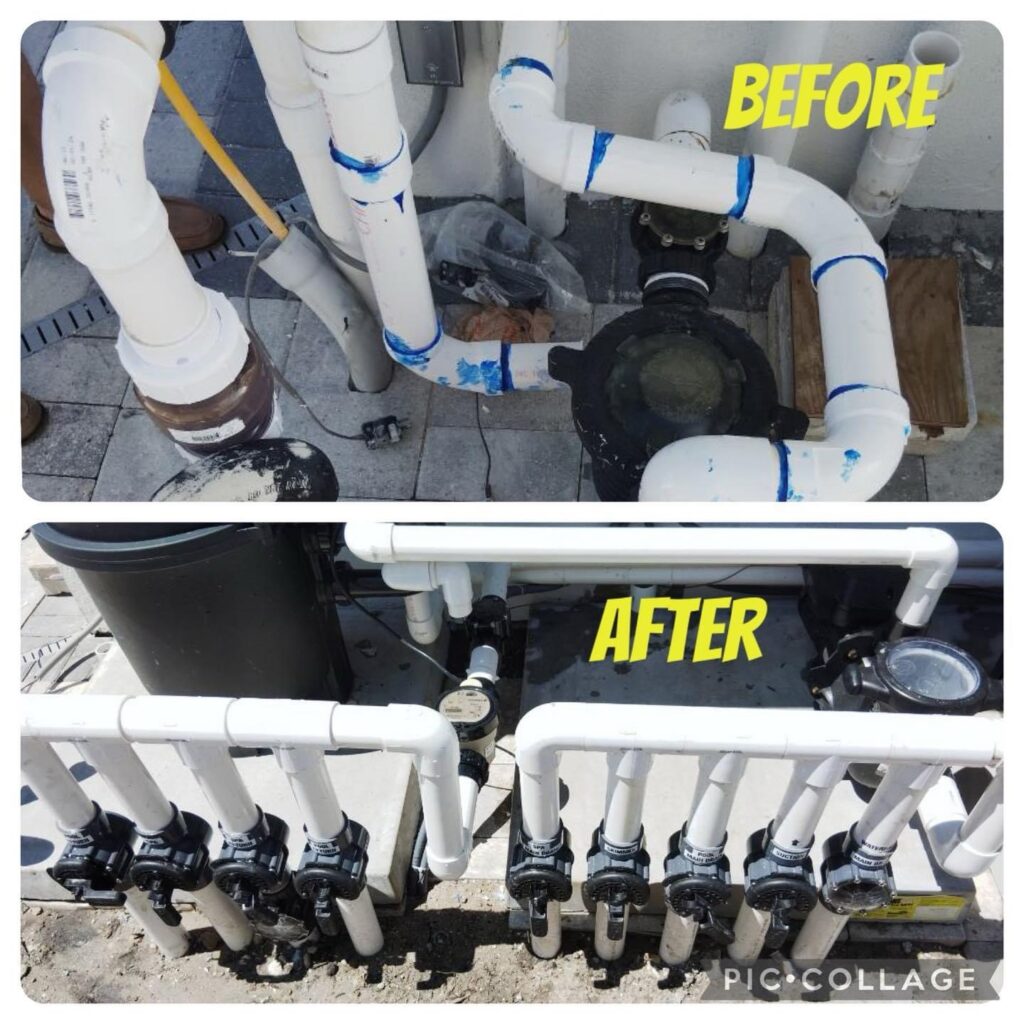
What Pool Pump Troubleshooting Tips Fix the Most Common Issues?
Pool pumps work hard in Florida. Between heavy use, high temperatures, and frequent afternoon storms, it is no surprise that pumps can occasionally act up. Many common problems have simple causes that can be identified and sometimes resolved with careful inspection and basic maintenance. Knowing where to start helps you avoid unnecessary downtime and frustration.
Signs Your Pool Pump Needs Troubleshooting
Your pool pump usually gives you warning signs before it completely fails. Paying attention to these early indicators allows you to take action quickly and possibly prevent a more expensive repair.
Common signs that your pool pump needs attention include:
- Unusual noises such as grinding, screeching, or rattling
- Reduced water flow through the pool returns
- Air bubbles coming from the pool jets
- The pump losing prime or shutting off unexpectedly
- Higher than normal energy bills
- Water leaks around the pump housing
If you notice one or more of these issues, it is time to start basic troubleshooting. Addressing problems early is one of the most effective pool pump troubleshooting tips homeowners can follow.
How to Check for Clogs, Air Leaks, or Blockages
Clogs and air leaks are among the most common causes of pool pump problems, and they are often the easiest to diagnose.
Start with the pump basket and skimmer baskets. Turn off the pump at the breaker before opening anything. Remove debris such as leaves, pine needles, and small toys that may restrict water flow. Even a partially clogged basket can reduce efficiency and cause the pump to strain.
Next, inspect the pump lid and its O-ring. A cracked lid or worn O-ring can allow air into the system, leading to bubbles in the pool and difficulty maintaining prime. Clean the O-ring and apply a pool-safe lubricant if it looks dry. Replace it if it appears cracked or flattened.
Check the pool skimmer weir door and suction lines for obstructions. Sometimes debris gets lodged just out of sight. If water flow seems weak, using a garden hose or plumber’s bladder to gently flush the line can help identify a blockage.
Also, take a look at the filter pressure gauge. High pressure may indicate a dirty filter, while low pressure can point to a suction side blockage or air leak. Cleaning or backwashing the filter is a simple step that often restores proper circulation.
Addressing Pump Noise and Vibration
A noisy pump is not just annoying; it can signal mechanical issues. Humming may indicate electrical problems, while grinding often points to worn bearings or a failing motor.
Make sure the pump is securely mounted on a level surface. Loose bolts or an uneven base can cause excessive vibration. Tighten mounting hardware and clear away debris that may be touching the motor housing.
If the noise persists, the issue may be internal. At this point, further disassembly is not recommended for homeowners, as improper handling can lead to more damage or safety risks.
How Pool Pump Troubleshooting Helps Prevent Bigger Problems
Routine troubleshooting and maintenance do more than keep your pool running smoothly. They play a major role in extending the life of your equipment and protecting the overall health of your pool.
A pump that struggles to circulate water effectively can lead to:
- Poor water quality and algae growth
- Increased strain on the motor
- Higher energy consumption
- Premature failure of pool equipment
By practicing regular inspection and basic pool pump troubleshooting tips, you reduce wear and tear and maintain efficient operation.
Catching air leaks early prevents the pump from running dry, which can cause overheating and seal damage. Clearing clogs protects the impeller from breaking. Keeping filters clean allows the pump to operate within its designed pressure range.
Troubleshooting also helps homeowners make informed decisions. Understanding whether a problem is minor or complex allows you to communicate more effectively with a pool professional and avoid unnecessary repairs.
Electrical Issues That Require Expert Attention
While many issues can be safely checked by homeowners, electrical problems should always be handled with caution. Pool pumps combine water and electricity, making safety a top priority.
Warning signs of electrical issues include:
- The pump will not turn on at all
- The breaker trips repeatedly
- Burning smells or visible scorch marks
- Intermittent operation or sudden shutdowns
If you encounter any of these symptoms, turn off the power immediately and do not attempt further troubleshooting. Electrical components such as capacitors, wiring, and motors require professional expertise and proper tools.
In Florida, frequent power surges from storms can also damage pool equipment. A professional inspection ensures that repairs meet safety codes and protect your home and family.
When to Call a Professional for Pool Pump Repairs
Knowing when to stop troubleshooting and call in an expert is just as important as knowing what you can handle yourself. Attempting complex repairs without the right experience can void warranties and lead to higher repair costs.
You should contact a professional if:
- The pump motor is overheating or smoking
- There are persistent leaks from the pump housing
- The pump repeatedly loses prime despite basic checks
- Electrical issues are suspected
- The pump is older and showing multiple signs of failure
A professional pool technician can accurately diagnose issues, source quality replacement parts, and recommend upgrades that improve efficiency and reliability.
For many Tampa Bay homeowners, upgrading to a variable speed pump is a smart long-term solution. These energy-efficient systems reduce noise, lower utility bills, and provide better control over water circulation. A professional can help determine whether repair or replacement is the better investment for your specific pool.
The Value of Professional Preventive Maintenance
Regular professional maintenance complements your own troubleshooting efforts. Scheduled inspections catch small problems before they escalate and ensure all components work together as intended.
Professional services often include:
- Motor and electrical inspections
- Seal and gasket evaluations
- System pressure testing
- Performance optimization
This level of care is especially valuable in Florida, where pools operate year-round, and equipment faces constant exposure to heat and humidity.
A Family-Owned Approach to Pool Care in Tampa Bay
At the end of the day, your pool should be a place where memories are made, not a source of ongoing maintenance headaches. Understanding basic pool pump troubleshooting tips empowers you to take better care of your pool, but having a trusted professional on your side makes all the difference when problems go beyond DIY fixes.
Blu Wtr Pools is the family-owned pool company St. Petersburg and Tampa Bay homeowners trust when their backyard oasis needs expert help. From pool resurfacing and renovation to pool equipment repair, we keep Florida pools sparkling, safe, and easy to own so you can actually enjoy the water instead of constantly working on it. Our business is built on honesty, hard work, and Florida-level sunscreen.
Whether you need help diagnosing a stubborn pump issue, upgrading to a smarter pool automation system, installing an energy-efficient variable speed pump, or planning a full remodel that makes your pool look like a Caribbean postcard, Blu Wtr Pools is your one-stop shop for pool perfection. We proudly serve St. Petersburg, Clearwater, Largo, Seminole, Dunedin, and the surrounding Tampa Bay areas.
If your pool pump is giving you trouble or you want peace of mind from professional care, contact us today. Let our experienced team handle the hard work so you can get back to enjoying your pool the way it was meant to be enjoyed.